The Journey of Pocket Bard
Where does the story of Pocket Bard start?
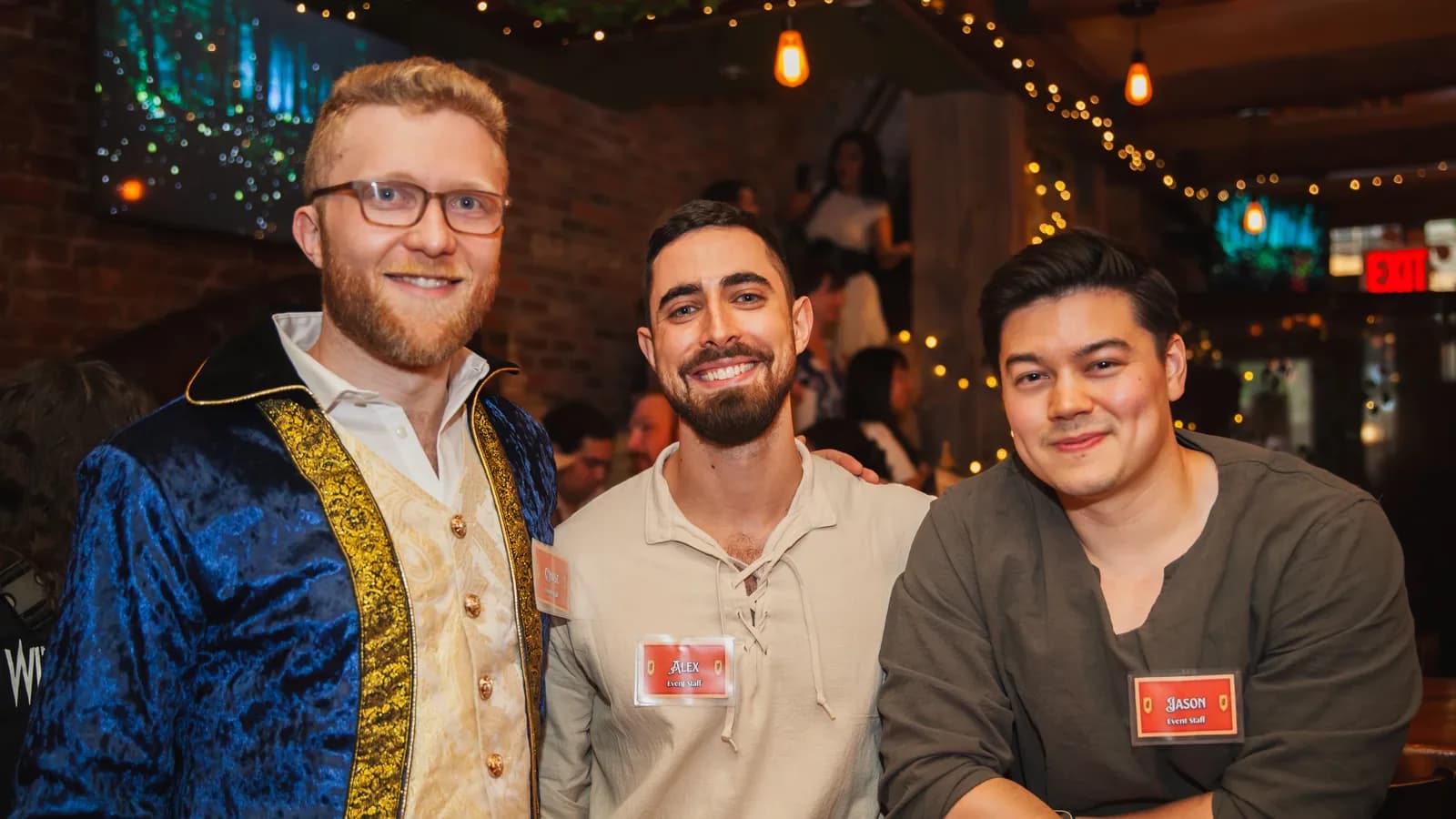
At the beginning? Maybe. But there’s never a clear start. There was always something before. Does it start in the 1970s, when someone first set a record spinning to add music to their D&D session? Does it start when Chase and I met at the Berklee College of Music bookstore? Does it start the night a session made the turn from exploration into combat, and that transition landed on a stretch of dead air between Spotify playlists? Does it start when we demoed Pocket Bard at Long Island Tabletop and watched people’s eyes light up as they realized they’d finally found a solution to their problem? Or does it start months later, when we finally formed a company?
I guess that’s up to whoever is telling it. And I got assigned to write this blog, so I get to pick! And I say it starts with the problem.
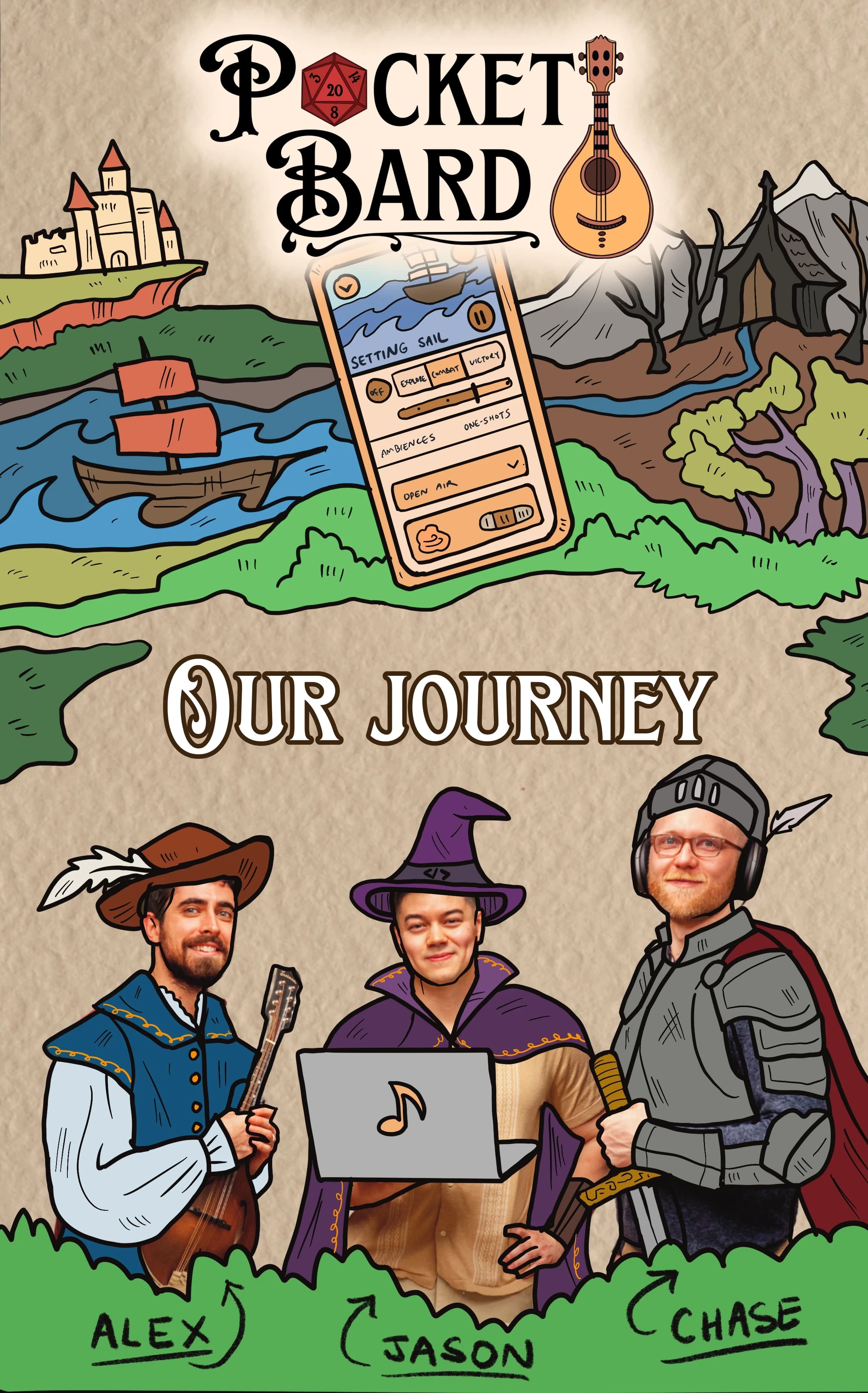
Let’s go back to that moment when the audio meant to enhance the “roll for initiative” moment ended up as dead air and awkward silence. It was clear there was a problem: the current tools weren’t built for seamless transitions or adaptive gameplay. Game masters are already juggling story, NPCs, lore, pacing, puzzles, and the mechanics of combat, and the existing tools, like Spotify playlists and YouTube tabs, were never built to follow a game in real time. So instead of adding immersion to the game as intended, they often became just an extra battle the DM never planned for. Chase and I had run a business in video game audio before, and he put two and two together. He called me up in August 2019 and asked, “Do you think we could build an app that fixes this?”
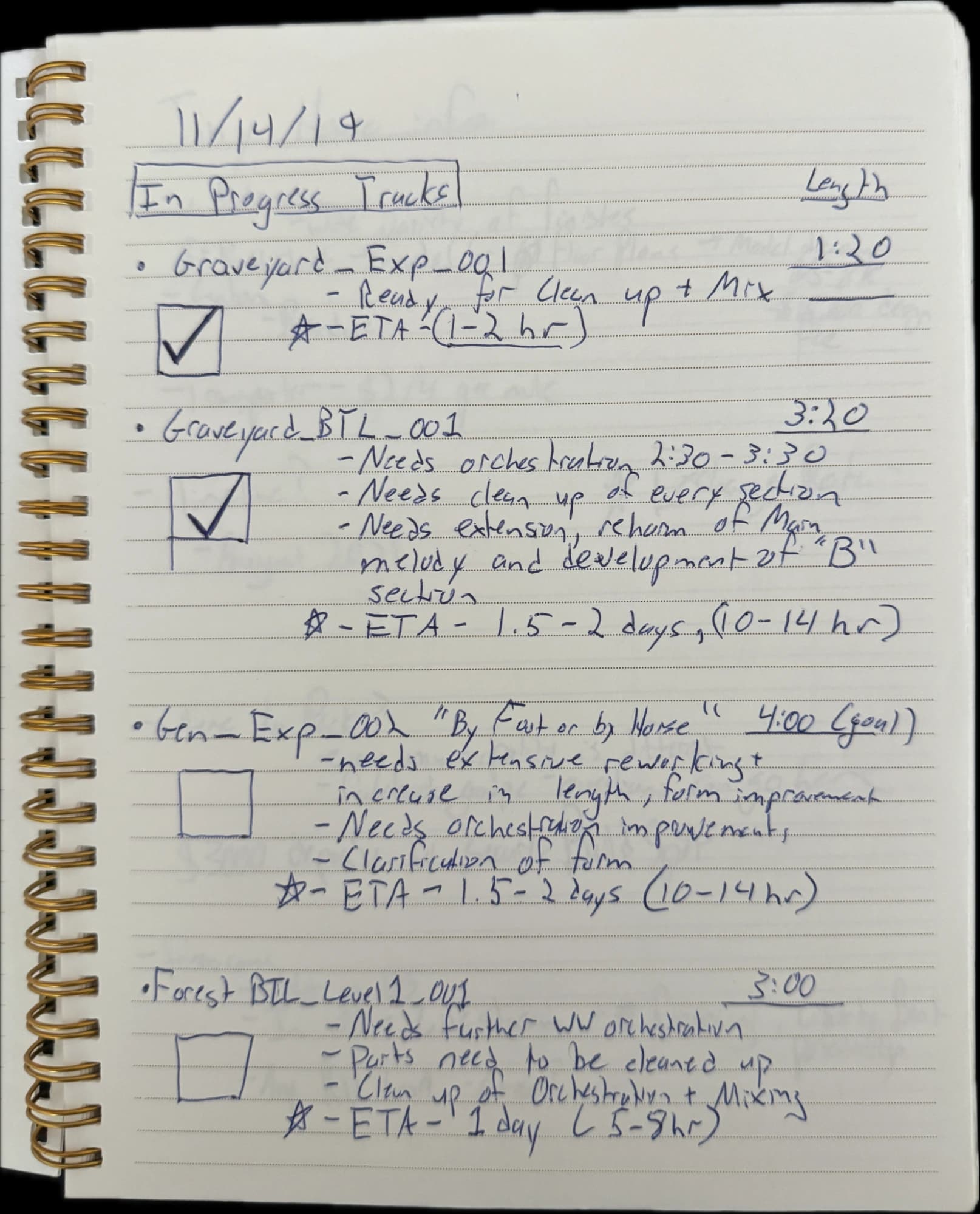
On paper, we had the skill set to solve the problem, but the more we dug in, the bigger we realized the issue was. So much of what GMs were being asked to do to get immersive audio was really work that should happen ahead of time, handled by audio professionals. While there’s no shortage of great music to play during a session, it’s mixed and mastered every which way, and if it’s pulled from an existing world like Lord of the Rings or Pirates of the Caribbean, it transports you somewhere incredible, but somewhere that isn’t your universe. Sessions also rarely go the way we expect, and adapting to gameplay in real time isn’t something Spotify, YouTube, or Apple Music are designed for. They do what they do great, but that’s not narrative tabletop gaming. Solving this meant building an adaptive audio system, designed for the table from the start.
So we started designing features to solve these problems, and a way to fit them into a simple app, one that gives maximum flexibility while saving time and attention. That led to our intensity slider, a feature that lets you control the music’s intensity through its orchestration and arrangement in real time. It led to music states that shift with the scene, from exploration to combat to victory. It led to adaptive ambiences that change across scenes and locations to sound right for wherever the party is. And it led to the intensity and variation controls for those ambiences, so you can dial in exactly what you need, easily and simply.
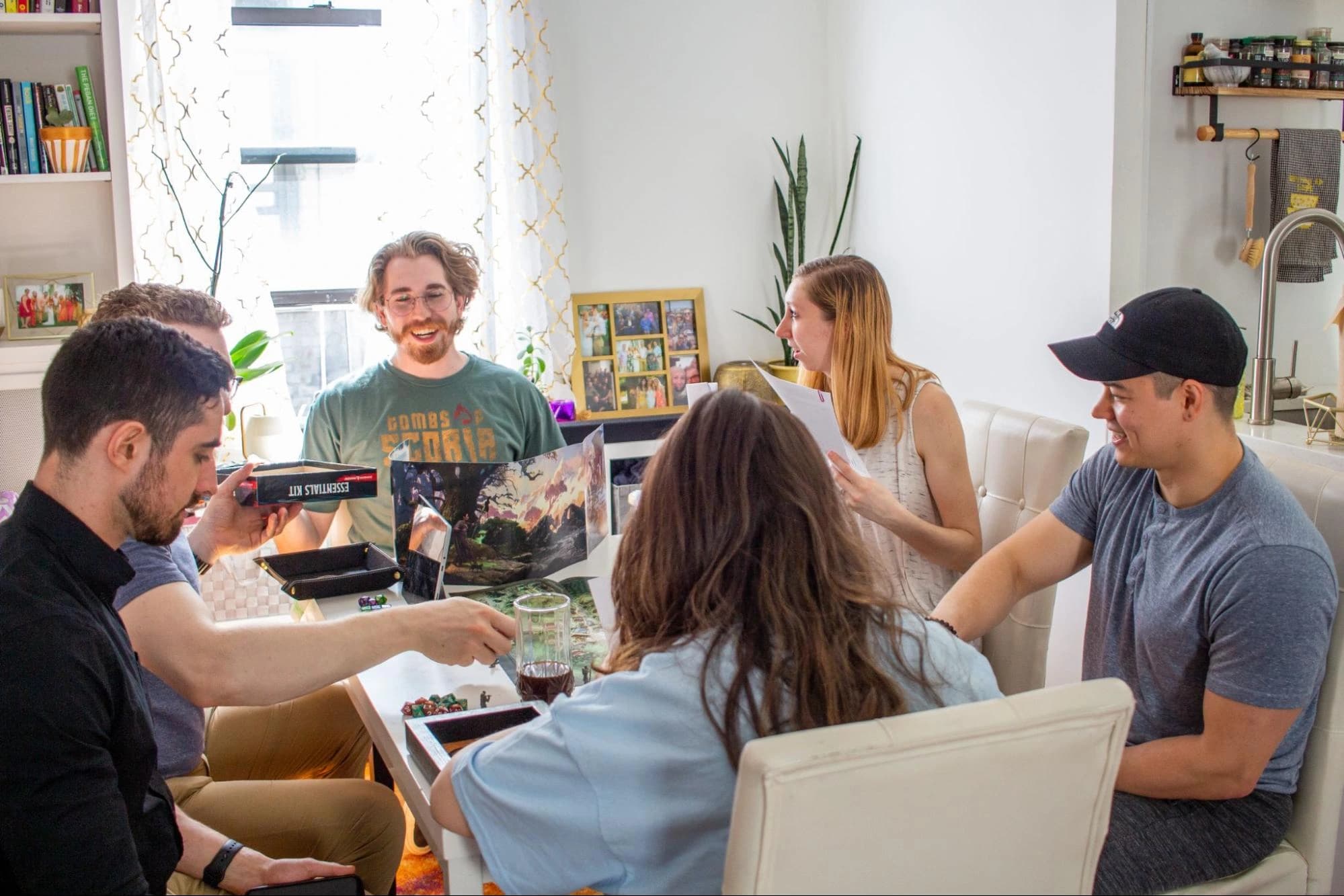
We worked on the product off and on for a while, but quickly realized we needed help. That’s when I reached out to my friend Jason, an experienced developer, and after a few conversations the founding team was set. We pushed to get a minimum viable product into open beta, and got there in April 2022. That was when the first D&D game ever run with Pocket Bard happened, and when we brought it to Long Island Tabletop to demo it for the first time. That was the month the fire really caught, because we watched people try it for two minutes and say, “I would use this at my table.” So we got serious, formed the company later that year, and launched the full app on iOS and Android in February 2023.
We spent the rest of that year finishing up Fantasy Essentials, improving the app, including a full rebuild from Godot to .NET MAUI (and yes, we had already rebuilt once before that, from Unity to Godot). We released Sci-Fi, the first collection in what’s now our Open Worlds subscription, and started trying to figure out how to get more people to find us.
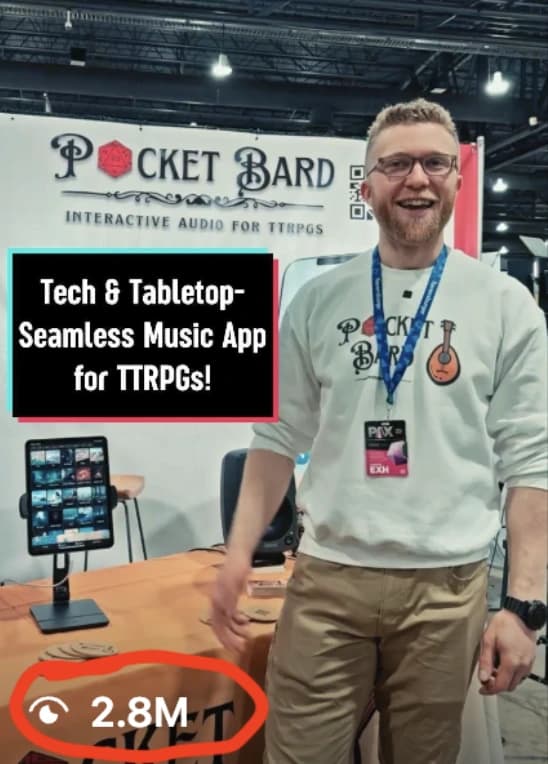
The big break came in January 2024. A demo video Chase recorded took off, I mean really took off: millions of views across Instagram and TikTok, and tens of thousands of downloads in a single month - all from one organic clip. It wasn’t the first time something of ours had gone viral, but this one was far more significant, and it was the video that changed the trajectory of our growth. Our subscriber base more than doubled the month after, and for the first time, we could start building a team. By the end of 2024 we had our core group, Jeanette, Nick, Emily, Edward, Austin, Alyssa, and Zack, all of us still wearing several hats (quite an understatement) but we finally had our bases covered. We recorded our Tavern scene in a studio with extraordinary musicians and songwriters. We built out our brand. We built new features. We were a real company now, growing, getting better, and actually solving the problem we had set out to solve.
But behind the interface, something was wrong. .NET MAUI fought us on every update and every design change. It was slowing us down, and it was only getting worse. So we made the call to do our third full rebuild, and this time to do it right: pay the price now for an app we could move fast on for years. That took us most of 2025. We deliberately slowed our growth to get the foundation right, and on October 23, 2025, we shipped Pocket Bard 3.0, rebuilt from the ground up on Kotlin Multiplatform, with all-new custom art from our artist, Emily, an embrace of Google’s Material 3 Expressive design system, fully re-implemented audio, and a serious overhaul of the free scenes that needed it. It was worth every bit of what it cost us.
Today, in June 2026, we’re finally bringing the desktop experience up to version 3 (we know, we know, we’re sorry it’s taken this long). We’re localizing the app for a global community, refining the design to give people back more time and attention, and commissioning and composing new music to fill the gaps in our catalog. And we’re spending real time with our users, learning where we fit in this industry and building the relationships that come with it.
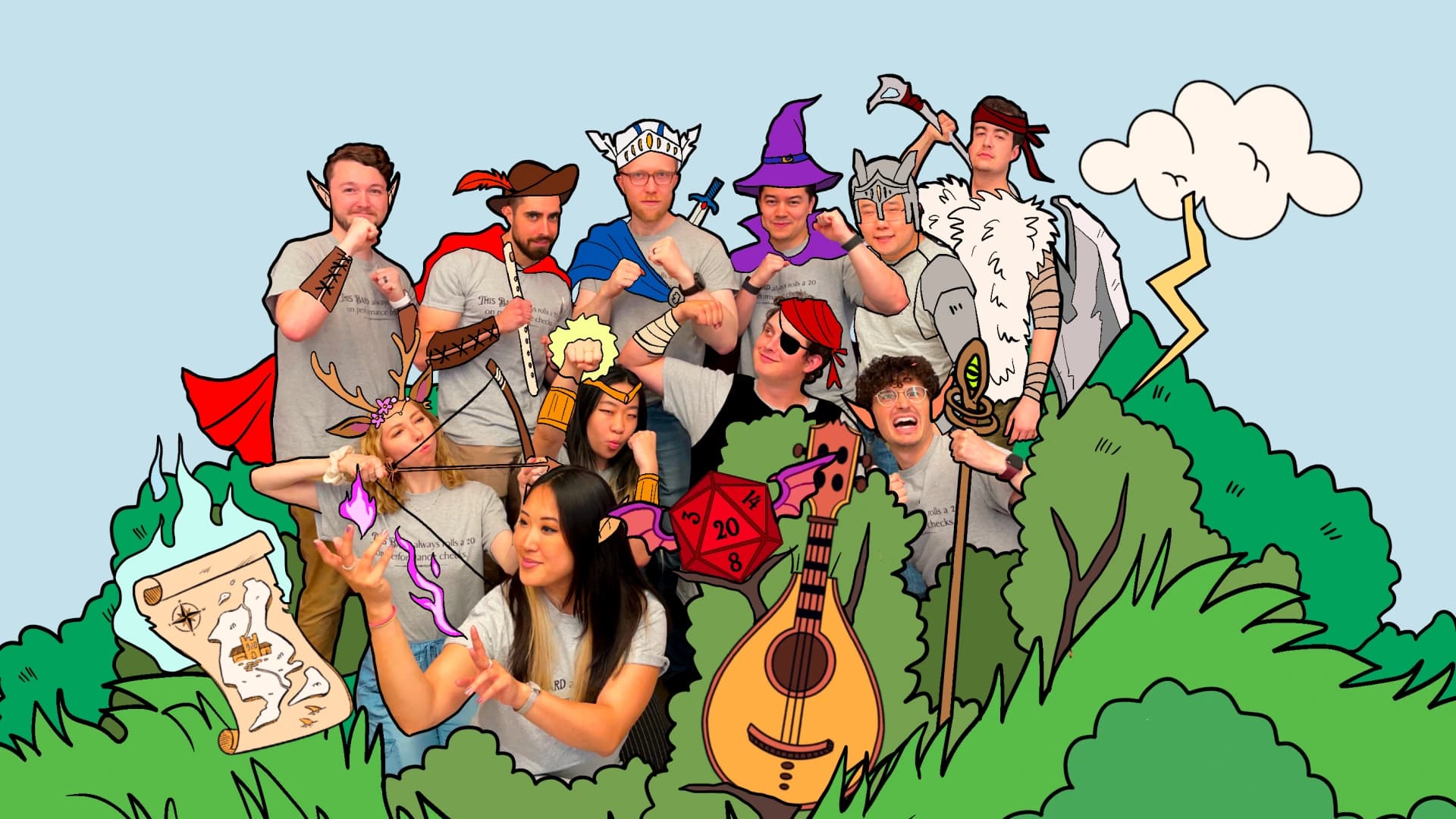
Building Pocket Bard has always been hard work. It always will be. Developing an app is difficult, starting a company is difficult, and generally anything you deeply care about is difficult, because how you do it matters, not just to you but to the people you’re doing it for. With more than 60,000 monthly active users now choosing Pocket Bard as their tabletop audio companion, we have no intention of slowing down or letting them down. Our users are the ones who carried us here: the ones who sent feedback that made the product better, who shared the app with their tables, who helped us grow, and who left reviews kinder than we had any right to expect. This has been a team effort in every sense. Thank you, from all of us at Pocket Bard. We’re still just getting started.